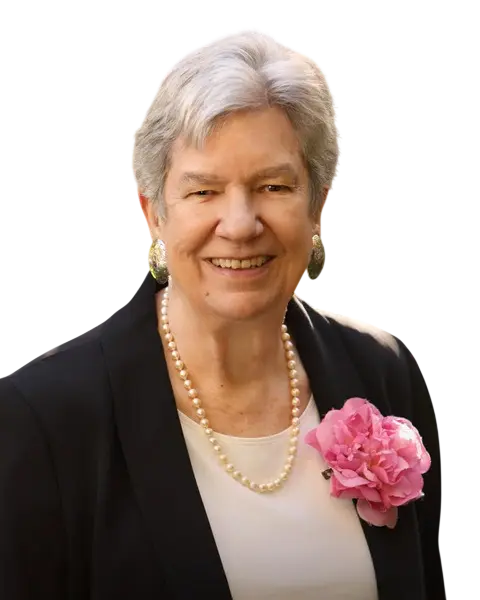

by Susan M. Graham, Certified Elder Law Attorney*, Senior Edge Legal, Boise, Idaho.
I bring up end-of-life decisions with my clients. I talked to them about choices they have because this is the only guarantee I can give them – they’re going to die one day.
People want to have control over dying and have a “good death” for themselves and for the others who care. It is an important feature of estate planning.
Of course, we all want to die like Robert Redford. Just go to bed and not get up the next morning. But it doesn’t work like that. What if you get to a place in life where you can’t handle things anymore? What are your choices?
Estate planning documents that focus on this issue are a Living Will and Health Power of Attorney. The Living Will addresses end-of-life choices and the Health Power of Attorney states who can talk to the medical professionals on your behalf when you are not able to communicate effectively.
In the Living Will, most of my client choose “keep me comfortable, pain free and let me go”. This document only goes into effect when a person can’t communicate and a doctor states that they have a terminal condition and their death is imminent.
Two other choices are “give me nutrition or hydration or both with tubes” (in your nose or stomach and out tubes) or use “everything in science to keep me going”.
Two proactive alternatives are “Medical Assistance in Dying” and “Voluntary Stopping Eating and Drinking”. I find that about half of my clients elect one or both options in addition to “let me go”.
“Medical Assistance in Dying”, sometimes called assisted suicide, is illegal in Idaho. Currently 12 states allow it, including Oregon, Washington, California, and Montana. An example of a client who elects and follows through on this option is someone with terminal cancer with horrible pain that can’t be handled without becoming a zombie.
“Voluntary Stopping Eating and Drinking” is legal in all 50 states. It is usually used by individuals that foresee an incurable illness with a difficult ending, such as dementia, where at the end stages you can’t feed yourself, clean yourself up or recognize those you love.
We’re all regular people. We deny that we’re ever going to die, but you really know that death is a guarantee. You’re born and you die. That’s the way it works. The health forms are critical because you get to express now, when it is not a crisis, what you really want to have done at the end of your life.
We have these forms available for free on my website and they include Voluntary Stopping Eating and Drinking and Medical Assistance in Dying, among many other things. Once these forms are signed, share the information with the people that you have appointed as your health agents, and make sure that they agree to follow your wishes. Give a copy to your health agents and your doctor.
***********************************************
FREE Public Seminar –
“If You Die Today, Would Your Family Know What to Do?”
Wednesday, May 13 at 10:00 a.m.
Hampton Inn and Suites, Boise Spectrum, 7499 Overland Road
CALL NOW to register!! 208-344-0375
***********************************************
Call Senior Edge Legal today: Schedule your FREE 1-hour consultation [if we are the right fit]—before tomorrow’s concerns become today’s crisis. Call 208-344-0375, send an e-mail to [email protected], or Contact Us on our website
Senior Edge Legal: Empowering retirees to safeguard their independence and financial stability through strategic estate planning solutions.
*******************************
Undoubtedly you have thought of someone who could use our services. If so, please have them call us at 208-344-0375. Introductions and referrals are the lifeblood of our practice. Thank you.
* Certified by the National Elder Law Foundation