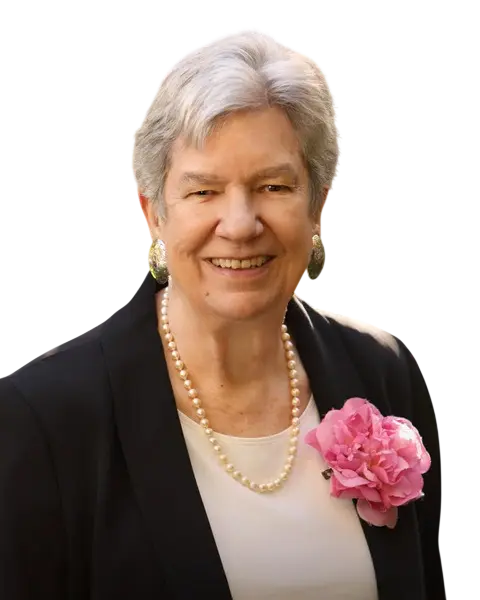
by Susan M. Graham, Certified Elder Law Attorney*, Senior Edge Legal, Boise, Idaho
An obituary is more than a notice in the newspaper. It is the first chapter of a family’s memory of someone they love. Long after the funeral flowers fade, the obituary is what grandchildren find in a search, what old friends read to feel close again, and what future generations use to understand where they came from. Writing one well is an act of care, not just a task on a checklist.
Why Obituaries Still Matter
- They preserve the story. A life is more than dates. An obituary captures the character, humor, and values that made someone unforgettable.
- They connect the family. Writing one together often brings up memories relatives haven’t shared in years, and gives everyone a role in honoring their loved one.
- They notify a whole community. Friends, coworkers, and neighbors who may not hear the news otherwise learn how to pay respects or offer support.
- They become a keepsake. Decades later, an obituary is often the only written record a family has of a person’s full life story.
How to Write One That Feels Right
- Start with the basics. Full name, age, hometown, and date of passing. This anchors the story in fact before it turns to feeling.
- Tell the story of a life, not a resume. Include what they loved, who they cherished, and a moment or trait that captured who they really were.
- Name the people who mattered. List surviving family members and, if it fits the family’s wishes, those who passed before them.
- Share the service details. Date, time, and location of any funeral, memorial, or celebration of life, plus how to send flowers or condolences.
- Ask before you publish. Have a close family member review it. A second set of eyes catches errors and honors everyone’s memory of the person.
| YOUR ACTION STEP
This week, write down five stories, quirks, or accomplishments you would want people to remember about you or a loved one. Keep the list with your estate planning documents. It will make writing an obituary, someday, a moment of tribute instead of a scramble for words. |
* Certified by the National Elder Law Foundation