
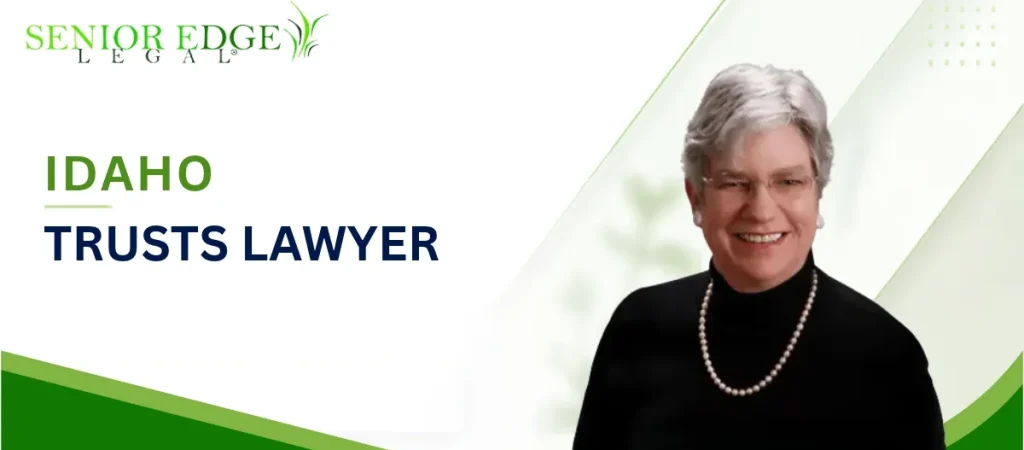
Top Rated Trusts Attorney in Idaho
Planning for the future involves more than deciding who will inherit a home, savings, or other property. For Caldwell residents, a carefully prepared trust can provide direction for managing assets, supporting loved ones, and preparing for life changes. An Idaho trusts lawyer at Senior Edge Legal can help individuals and families throughout Caldwell, Canyon County, and the Treasure Valley evaluate their options and develop an estate plan that reflects their priorities.
Get valuable estate planning advice from Senior Edge Legal
Call for a Consultation
208-344-0375
Why Trust Senior Edge Legal With Your Estate Planning?
Choosing an attorney for trust planning means finding someone who understands the legal details as well as the personal decisions behind them. Senior Edge Legal serves clients throughout Idaho from its Boise office, located near downtown in a residential neighborhood. The firm focuses on elder law and estate planning for people approaching retirement or already enjoying it.
Attorney Susan M. Graham brings decades of legal experience to estate planning and elder law matters. She has prepared thousands of estate plans for Idaho families and has held leadership positions in professional organizations dedicated to trusts, estates, and elder law. Graham is also a Certified Elder Law Attorney through the National Elder Law Foundation, a credential recognized by the Idaho State Bar.
Senior Edge Legal takes an individualized approach rather than assuming every client needs the same documents. The firm works with clients to understand their family circumstances, financial concerns, and long-term goals before recommending an appropriate strategy. Its services include revocable trusts, will-based estate plans, probate and estate administration, and elder law guidance.
For Caldwell residents who prefer an accessible setting, the Boise office offers handicapped parking and access behind the building. Clients can call 208-344-0375 to discuss their planning needs and arrange a consultation.
How Can a Trust Help Protect Your Family’s Future?
In the U.S., 62% of millennials do not have a will or trust. A trust is a legal arrangement that establishes how designated property is held, managed, and distributed. Depending on its terms and the type of trust selected, it may help address concerns about incapacity, inheritance, privacy, or the administration of assets after death.
Working with an Idaho trusts attorney can help you determine whether a trust fits your circumstances and how it should coordinate with the rest of your estate plan.
Potential reasons to consider trust planning include:
- Planning for incapacity: A properly structured trust may provide instructions for managing trust-owned assets if the person who created it becomes unable to handle financial matters.
- Organizing an inheritance: Trust terms can establish when and how beneficiaries receive property instead of requiring an immediate, unrestricted distribution.
- Coordinating family needs: Parents, spouses, and other individuals can consider how assets should be managed for beneficiaries with different ages, responsibilities, or financial circumstances.
- Addressing probate concerns: Assets properly transferred to a living trust may be administered outside the probate process, although other property may still require probate.
- Maintaining continuity: A trust can provide a framework for managing designated assets during the creator’s lifetime and distributing them according to written instructions after death.
A trust does not automatically accomplish every estate planning objective. Its effectiveness depends on its terms, the assets involved, beneficiary designations, and whether required funding and administration steps are completed.
Understanding Revocable Trusts and Other Estate Planning Options
Many Caldwell residents begin by exploring a revocable living trust. This arrangement generally allows the person creating the trust to retain control over trust assets and edit the trust while legally competent, subject to its terms and applicable law in Idaho.
A revocable trust may be appropriate for someone who wants a structured approach to asset management and inheritance. However, it is not necessarily the right solution for every household. Important considerations include:
- Ownership and funding: Creating a trust document is only part of the process. Assets must be transferred or otherwise properly coordinated with the trust when appropriate.
- Trustee selection: The trustee manages trust property according to the document’s instructions. Choosing someone capable, responsible, and willing to serve is an important decision.
- Successor arrangements: Naming a successor trustee can help establish who takes over management when the original trustee can no longer serve.
- Beneficiary instructions: The trust should clearly explain who receives property, when distributions occur, and whether any conditions apply.
- Supporting documents: A will, financial power of attorney, health care planning documents, and other instruments may complement a trust, depending on individual needs.
FAQs
Can I Name More Than One Trustee for My Trust?
Yes, a trust may name co-trustees, allowing multiple people to share responsibility for managing its affairs. However, the arrangement should clearly explain how decisions are made, whether trustees must agree, and what happens if they disagree. An Idaho trusts attorney can help you evaluate whether appointing multiple trustees will simplify administration or introduce unnecessary complications.
What Happens If My Named Trustee Cannot Serve?
If your chosen trustee declines the appointment, becomes incapacitated, or passes away, the terms of the trust and applicable Idaho law generally determine who may take over. Naming a successor in advance can reduce uncertainty for your family. When no suitable successor is available, legal guidance may help establish the appropriate procedure for appointing someone to administer the trust.
Can a Trust Include Instructions for Distributing Personal Belongings?
Yes, trust provisions or related estate planning documents may address the distribution of personal possessions, including jewelry, collectibles, furniture, and family heirlooms. Specific instructions can reduce uncertainty about who receives sentimental items. Because smaller belongings can carry considerable emotional significance, discussing practical distribution arrangements with an attorney may help prevent avoidable misunderstandings among relatives.
How Often Should I Review My Existing Trust Documents?
There is no universal review schedule that suits every trust, but periodically examining your documents can help make certain they remain consistent with your intentions. Changes in relationships, finances, or the availability of your chosen trustee may warrant an earlier review. An attorney can identify outdated provisions, unclear language, or administrative concerns that deserve attention before they create complications.
Hire an Honest Trusts Lawyer Serving Idaho Residents
Protect your assets and provide clarity for your loved ones. Hire a trusts lawyer at Senior Edge Legal to explore your options and create an estate plan that reflects your wishes and long-term goals.